01
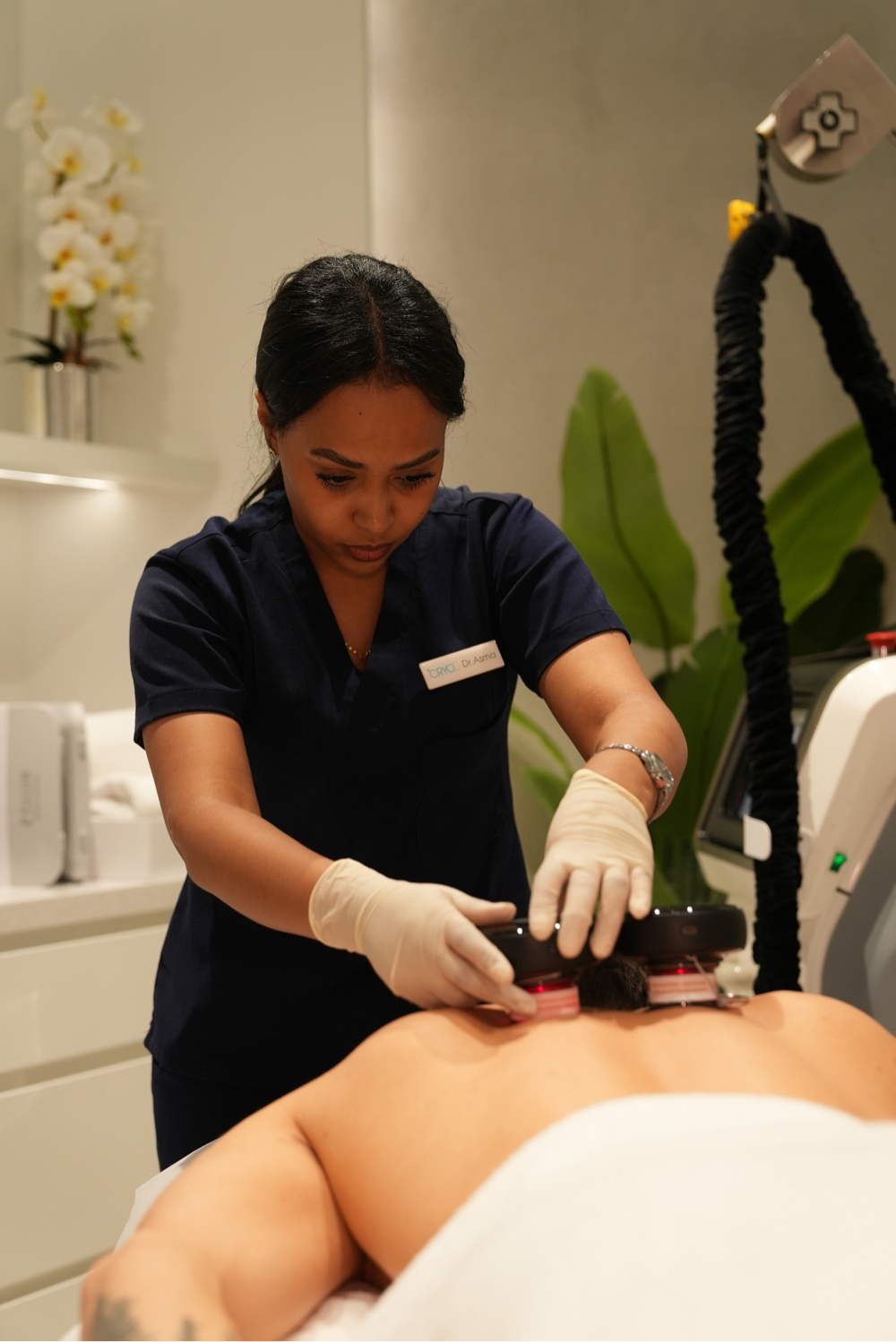
Placement
Targeted Suction
Specialized cups are placed over specific muscle groups or tension zones.
Dry Cupping Therapy combines dynamic suction, smart massage, and red light therapy in a quick and convenient treatment using up to four cups. The therapy helps increase blood circulation, reduce pain, muscle tension, and spasms, and support cellular repair.
Had a great experience at Cryo and staff is very helpful and polite. Ms. kyu Kyu was very informative in explaining every detail patiently helped me with the procedure. I had a great experience to have -110 C for 3 minutes, red light treatment and blue tea was complimentary . Hope to go for pro next time I visit Cryo of -140 C
 Sumiran Caprihan
This morning I came with pain and one of the best treatment done by Dr.Maria was whole body CRYO therapy. I also enjoyed CRYO facial with Skin Therapist Fatima Thank you both
dxb 9707
The place is very wonderful and the services are excellent from reception to the end of the service. The entire staff are wonderful, especially Dr. Maria. I advise everyone to have a more than amazing experience.
أحمد بن جمعوه
My experience at CRYO was nothing short of exceptional. From the moment I arrived, I was impressed by the serene ambiance and professional staff. A special thanks to Dr. Maria, whose expertise and warm demeanor instantly put me at ease.
Ubaid Zariwala
Dry cupping creates controlled suction on the skin to encourage blood flow, reduce pain, and support mobility. This approach complements stretching and physiotherapy by helping tissues move more freely.
Controlled suction is applied to the skin using specialized cups to stimulate circulation, relieve muscle tension, and support the body’s natural recovery processes.
→Book appointment Specialized cups are placed over specific muscle groups or tension zones.
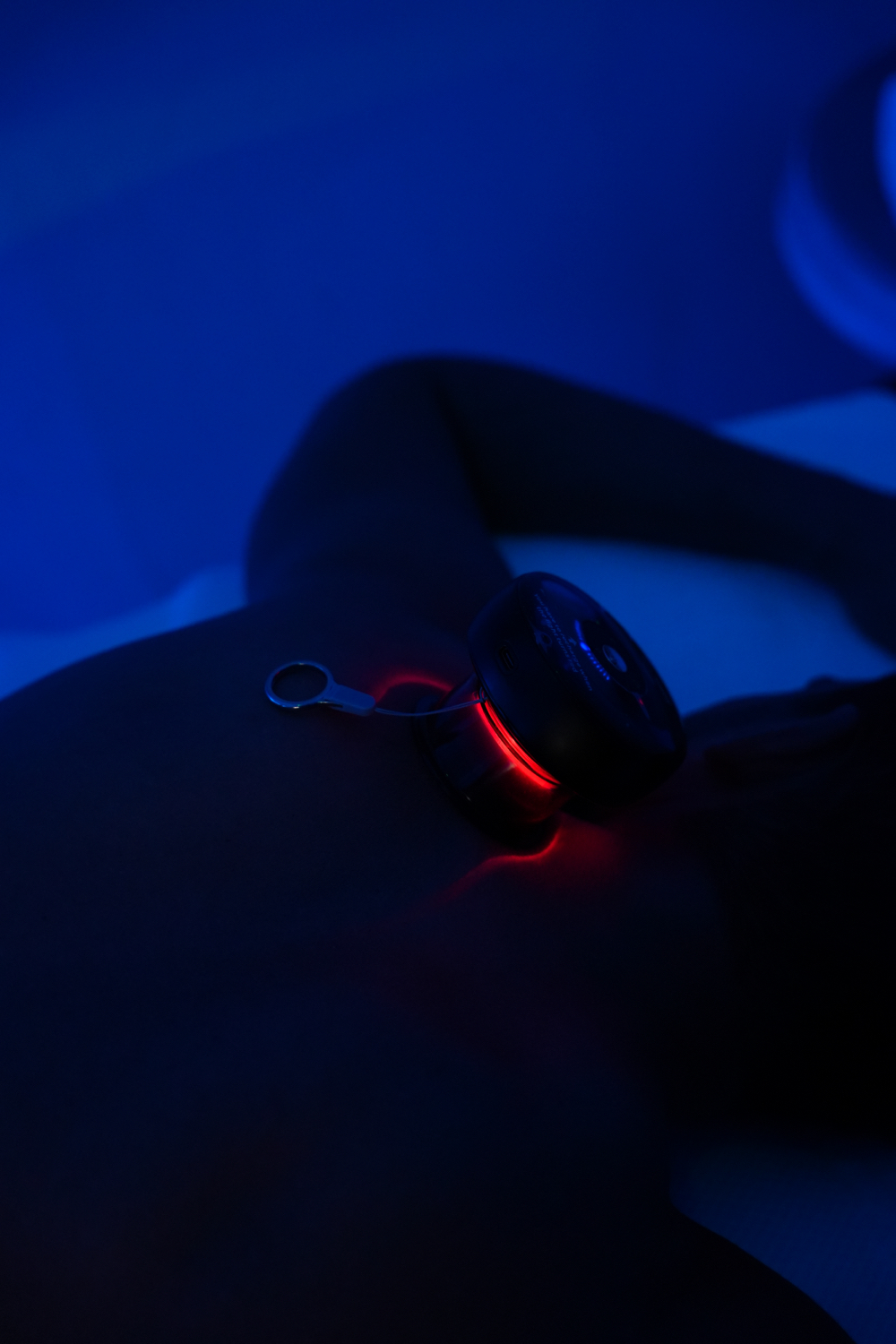
A vacuum effect lifts the tissue slightly, increasing blood flow to the area and supporting fascial release.
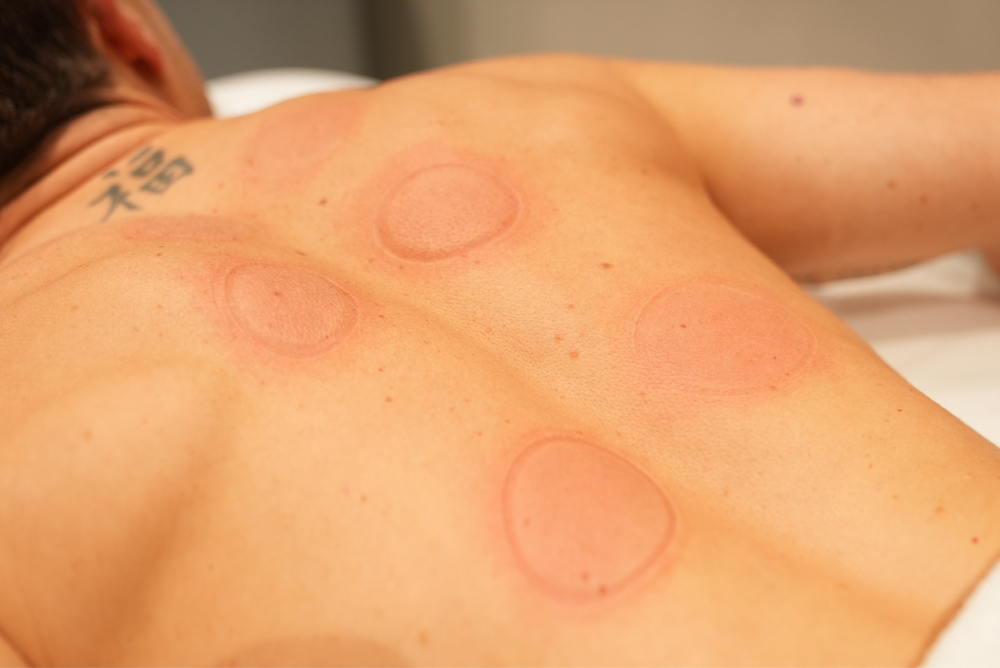
Improved circulation and reduced restriction can leave treated areas feeling lighter and more mobile.
Dry cupping is best suited for individuals seeking additional mobility and circulation support within a broader recovery plan.
Pair modalities to boost your benefits and take your wellness goals one step further. Not all services are available at all locations.
→See all treatments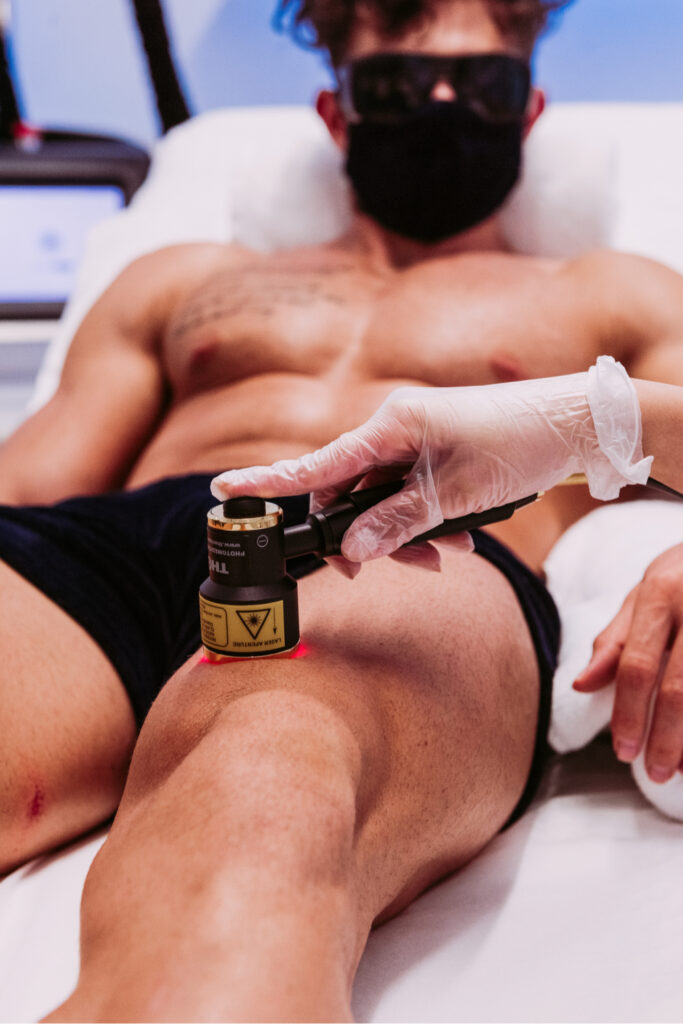
Physiotherapy supported by calibrated cryotherapy to reduce inflammation, manage pain, and support efficient recovery.
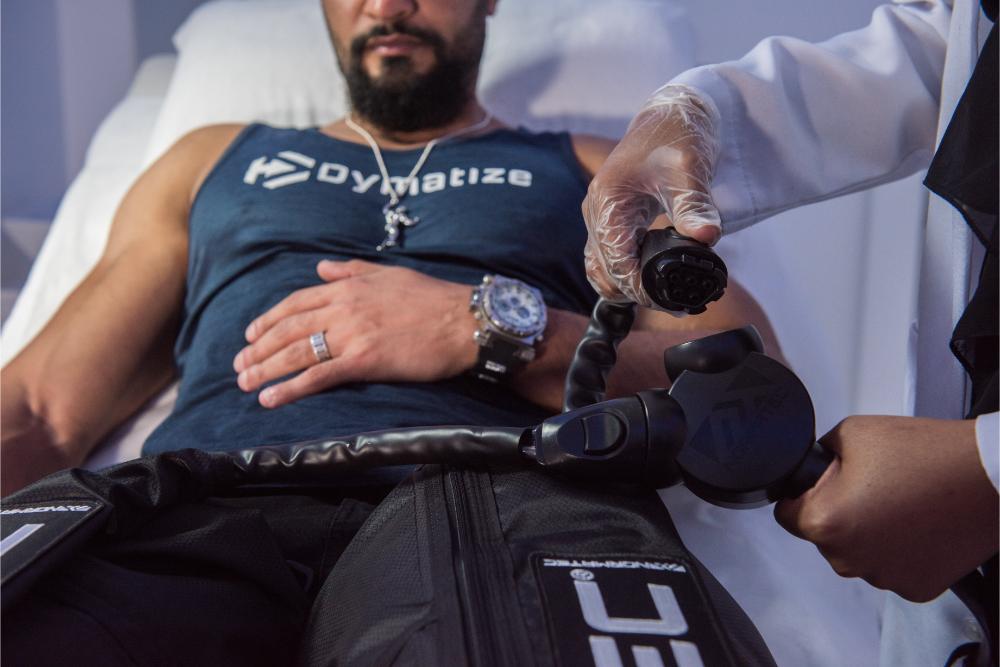
Targeted compression therapy that improves blood flow, reduces swelling, and supports recovery for tired or overworked muscles.
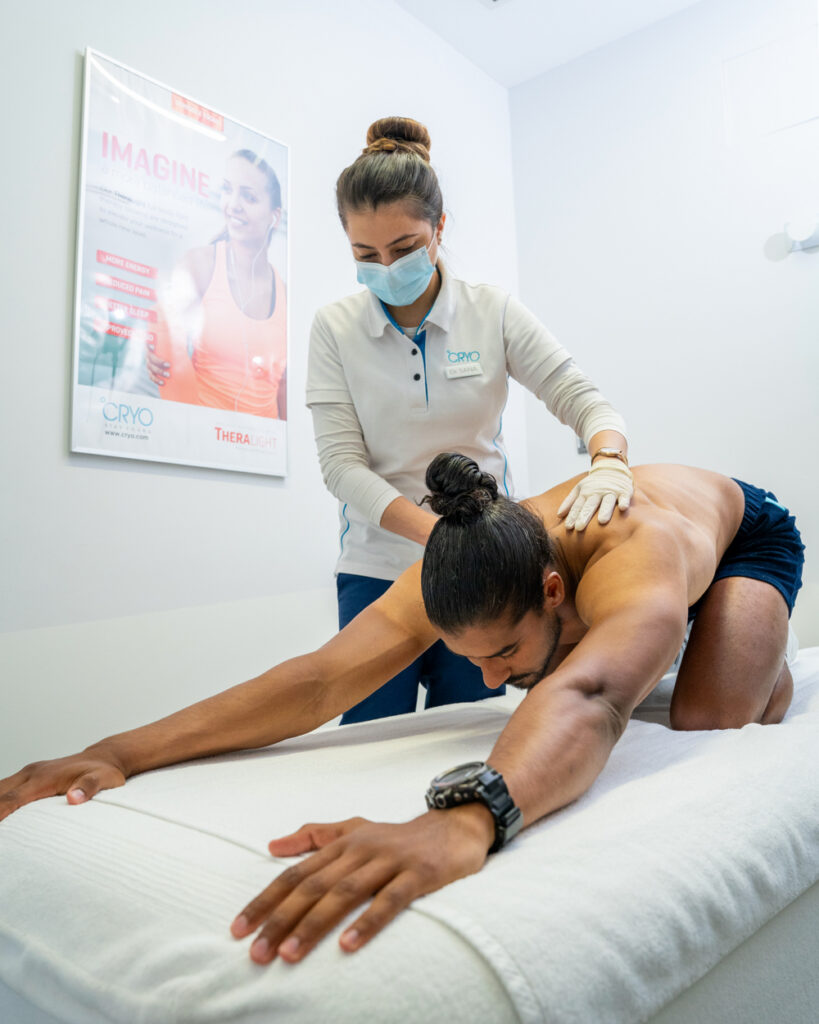
A guided recovery session combining assisted stretching and percussion therapy to improve mobility and release muscle tension.
From understanding how many sessions you need, to tips for maximizing benefits before and after each session, and guidance on safety, this structured approach ensures every treatment is purposeful and tailored to your body’s needs.
Dry Cupping Therapy is a recovery treatment that uses suction cups to stimulate circulation, release muscle tension, and support cellular repair. By creating gentle negative pressure on the skin, the treatment helps increase blood flow, reduce muscle tightness, and promote faster recovery after physical activity or strain.
Proper preparation and aftercare help maximize the benefits of Dry Cupping Therapy. Supporting circulation and allowing muscles to recover can enhance the effectiveness of the treatment.
Dry Cupping Therapy is generally safe when performed by trained professionals using proper techniques. Understanding potential skin reactions helps ensure safe treatment and effective recovery results.
If you suffer from pain and mobility issues it is quite common for us to get by, using over-the-counter pain killers and ointments. Often we don’t seek the support of a Physio until we have been referred via a GP or until the pain is so bad.
Physiotherapists are trained professionals that help injured patients get back to the highest range of movements. If left untreated injuries often don’t heal as well as if you were on a treatment plan. Injuries, if left for 12 weeks can become chronic and chronic injuries are a lot harder to treat. Injuries also heal a lot quicker if you work with a physiotherapist, with the added benefit of often having less pain and more range of movement than before you had your injury.
If you feel it is only a minor injury and you are still in pain 48 hours after the injury, make an appointment with a physiotherapist. If you feel the injury is more serious make an appointment immediately. If for an extended period, you have been living with chronic pain and or limited mobility and range of movement make an appointment with a physiotherapist.
Wear something comfortable. Bring a pair of shorts if it is a lower back, hip, knee, ankle, or a foot problem. Bring a tank top / vest if it is a neck, upper back, shoulder, elbow, or hand problem.
Physiotherapy can be helpful for people of all ages with a wide range of health conditions, including problems affecting the:
bones, joints, and soft tissue – such as back pain, neck pain, shoulder pain, and sports injuries
brain or nervous system – such as movement problems resulting from a stroke, multiple sclerosis (MS), or Parkinson’s disease
heart and circulation – such as rehabilitation after a heart attack
Physiotherapy can improve your physical activity while helping you to prevent further injuries.
Our Physiotherapists use different treatment methods in order to deal with a wide range of injuries. Depending on the nature and severity of your injury, you may require:
Trigger point release
Localized red light therapy
Localized Cryotherapy
Percussion massage
Assisted stretching
Muscle electrotherapy
Kinesiology taping
Patient education, home exercises
Take control of your recovery and performance with a personalized treatment plan customized for your needs.
→Book appointment